There is a canvas tote bag in my hall closet that I have carried exactly twice. It was a gift. It has a fern printed on it and a small tag that said something about the planet.
That bag is the whole problem with eco-friendly gifting in one object: it was manufactured, shipped, wrapped, and it replaced nothing. The person who gave it to me already owned four bags. What she did not own was a reason to stop buying paper towels.
So here’s the test I use now, and it’s the one this list is built on.
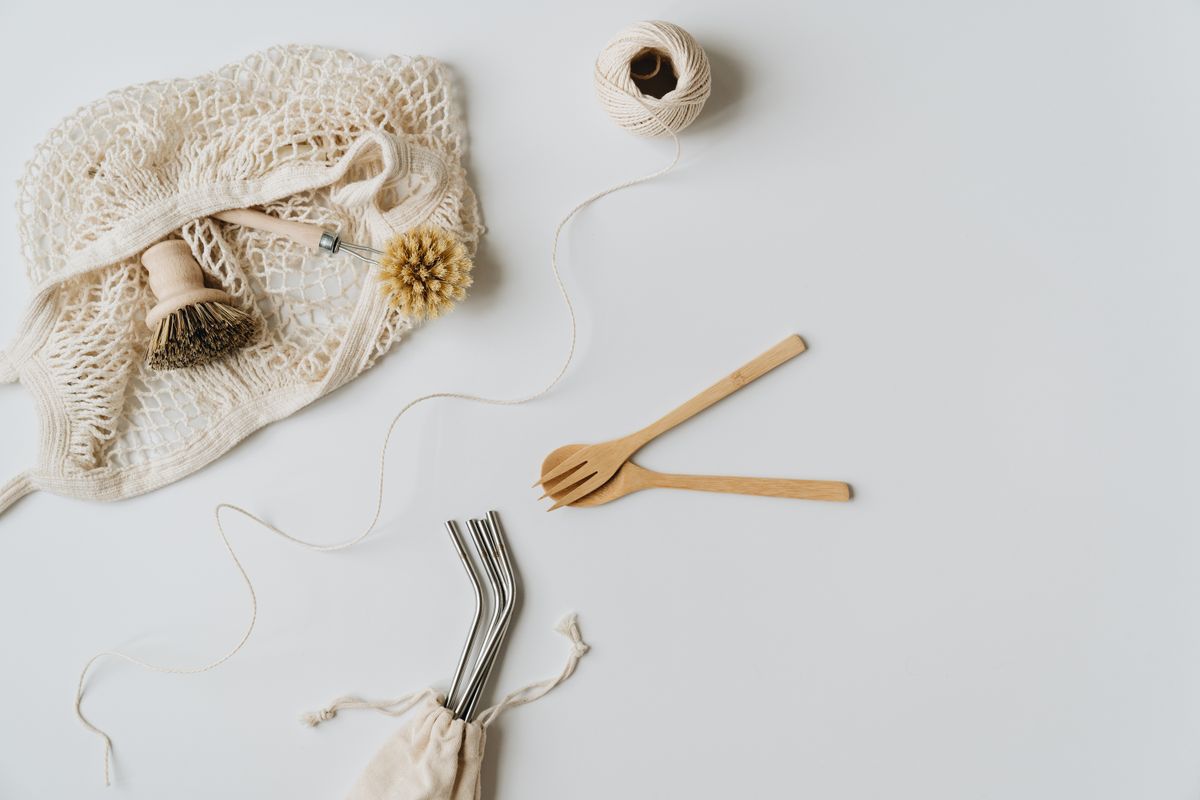
The six-month test
Ask what the gift replaces, and how often that thing gets bought. A dryer sheet is bought every six weeks. A plastic wrap box, every two months. Paper towels, constantly. If a gift removes one of those purchases for a year, it has already paid for itself, and the environmental argument takes care of itself.
Then ask two more questions.
Can it be repaired or refilled? A wooden brush with a screw-off head is a lifetime object with a two-dollar consumable. A molded plastic one is landfill with a handle.
Would they have bought it themselves? If yes, they probably will, next Tuesday. The good ones are the items that feel too small to bother ordering — which is the same reason they make good gifts. Nobody puts a dish brush on a wishlist.
One honest warning: material claims on packaging are marketing. Look for one material, no plastic coating, and a spare part you can actually buy. That’s a better signal than any certification badge.
Replace something they throw away every week
Six small things that quietly delete a recurring purchase.
1. Swedish dishcloths— Best for kitchens that go through paper towels like tissues
Cellulose and cotton, stiff as a coaster when dry, soft as a sponge when wet, and washable in the dishwasher. I swapped a roll-a-week habit for a stack of six in spring and have bought paper towels twice since. The one that finally converted me was the sink, which stopped smelling like a wet rag.
2. Wool dryer balls— Best for anyone still buying dryer sheets
Six felted wool balls go in with the laundry and stay there for years, separating clothes so hot air moves through them. No fragrance, no sheet to peel off a sock, and no plastic film in the trash every six weeks. Also the answer for anyone whose skin reacts to whatever is in a dryer sheet.
3. Reusable produce bags— Best for people who feel guilty at the grocery store
A set of mesh bags with the tare weight printed on the tag, so the cashier can subtract it. They hold apples, greens and loose nuts without the plastic roll, and they live in the bottom of a shopping bag so they're actually there on Saturday morning. That last part is the whole trick.
4. Reusable cotton rounds— Best for anyone with a bathroom shelf full of cotton pads
Twenty rounds and a mesh wash bag. They come out of the laundry soft, they don't shed fibers onto the sink, and one bag lasts years instead of a month. For a teenager just building a skincare routine, it's also a small lesson that the disposable version was optional all along.
5. Laundry detergent sheets— Best for small apartments with no room for a jug
A cardboard box of paper-thin sheets replaces the ninety-ounce plastic jug, and half a sheet handles a normal load. They also solve a travel problem nobody talks about: no liquid, no leakage, no bag-in-a-bag at airport security. Toss a few in a suitcase and the hotel sink laundry stops requiring a purchase.
6. Silicone stretch lids— Best for people who cover bowls with a plate and hope
Six sizes that stretch over the bowls and mugs they already own, replacing the cling film ritual. They seal well enough to stack in the fridge, they go in the dishwasher, and they don't get thrown away after one use. The half onion stops perfuming the whole shelf.
Replace the bottle they buy every two months
Four swaps where the packaging was the product.
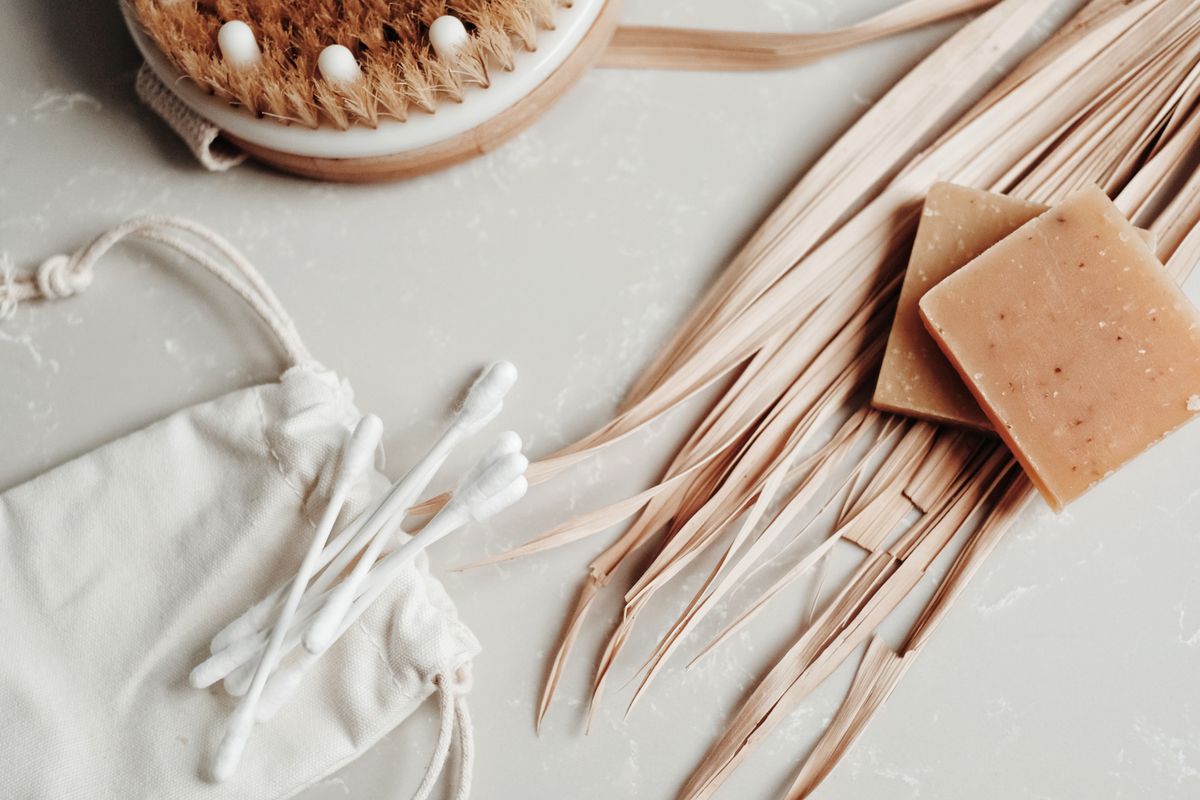
7. A stainless safety razor— Best for anyone tired of eleven-dollar cartridge refills
One heavy handle, double-edge blades that cost pennies each, and a shave that gets closer than a five-blade cartridge because there's only one blade touching skin. Fair warning: give it three shaves before deciding. The first one is a lesson in pressure, and the second one is usually fine.
8. A solid shampoo bar— Best for first-timers who think bars are for hippies
One bar outlasts two bottles, takes up no shelf space in a shower caddy, and travels without a liquid bag. Buy one with a tin so it doesn't dissolve on the soap dish. The honest caveat: bars and hard water don't always get along, so start with one and see.
9. A solid dish soap block— Best for the person who hates the bottle under the sink
A brick of soap that sits in a little dish next to the sponge and lasts roughly three months of normal dishwashing. No bottle to rinse out, no plastic cap to lose, and it cuts grease better than the watered-down stuff. Set it on a draining dish or it will turn to paste.
10. A wooden dish brush with a replaceable head— Best for anyone whose sponge smells by week three
Beech handle, stiff plant-fiber bristles, and a head that unscrews when it wears out — so the object survives and only the bristle part gets replaced. It reaches into a tall glass and scrubs a cast iron pan without stripping it. Two spare heads turn it into a five-year purchase.
Buy it once, keep it for a decade
Five things where the sustainable choice and the nicer choice are the same object.
11. A stacked stainless steel lunch container— Best for people who bring lunch and hate plastic aftertaste
Three tiers that clamp together: curry on the bottom, rice in the middle, something crunchy on top so it doesn't go soft by noon. Stainless doesn't hold tomato sauce the way plastic does, and it doesn't warp in a dishwasher. It also replaces the takeout container habit for anyone who orders lunch four days a week.
12. A reusable stainless coffee filter— Best for pour-over drinkers who buy filters by the hundred
A fine stainless cone that drops into the dripper they already have, replacing the paper stack entirely. Expect a slightly fuller body and a little sediment at the bottom of the cup — that's the oils the paper was catching. Rinse it, and it lasts longer than the kettle.
13. Cork coasters— Best for anyone whose table has rings on it
Cork comes off a living tree every nine years and the tree keeps growing, which makes it one of the few materials where the harvest is not the damage. It's also soft enough not to scratch, and it doesn't stick to the bottom of a cold glass the way a cheap coaster does.
14. Recycled glass tumblers— Best for households drinking out of mismatched jam jars
Made from melted-down bottles, thicker in the hand than the thin stuff, and dishwasher-safe without clouding. They're the rare upgrade that costs less than the thing they replace, and they make a set of four look intentional on a shelf instead of accidental.
15. A wool felt laptop sleeve— Best for commuters who want a case that isn't plastic
Wool felt is naturally water-resistant, padded without foam, and gets a nicer surface with use instead of scuffing. It slips into a tote without adding bulk, which is more than can be said for the molded cases that double the thickness of a laptop. Check the measurement before ordering — sleeves are unforgiving.
The two that are supposed to disappear
Not everything sustainable has to last. A couple of things that are meant to be used up, and to leave nothing behind.
16. Plantable seed paper cards— Best for the person who keeps every card they're given
The card is embedded with wildflower seeds. Soak it, plant it under a quarter inch of soil, water it, and in three weeks there's a small patch of flowers in a windowsill pot. It solves the guilt of the card drawer, and it's the only gift here where the wrapping becomes the present.
17. Compostable walnut scrub sponges— Best for cast iron owners and potato people
Walnut shell grit bonded with plant fiber, stiff enough to take burnt bits off a pan and gentle enough for a potato. When it's done, it goes in the compost instead of sitting in a landfill for a century. Buy three, because the first one disappears faster than you expect.
Editor’s pick: the wool dryer balls. Not because they’re exciting — because they’re the least controversial swap on the list. Nothing changes about how laundry gets done, nothing has to be learned, and the box of dryer sheets simply stops being on the shopping list. Gifts that require someone to adopt a new habit usually fail by February. This one doesn’t ask.
FAQ
What actually makes a gift eco-friendly, beyond the material?
How many times it gets used. A bamboo gadget used twice has a worse footprint than a plastic one used for ten years. That’s why everything above is either a swap for something disposable or an object with a replaceable part. Material matters, but frequency matters more.
Are reusable versions actually cheaper?
Over a year, almost always — usually by a lot, because the disposable version is a subscription in disguise. The catch is the upfront cost and the forgetting. A set of dishcloths only saves money if they live somewhere visible, which is why the small ones make better gifts than the expensive ones.
What’s a good eco-friendly gift for someone who isn’t into sustainability?
Don’t lead with the ethics. Give the nicer version of something they already use and let them notice: cork coasters, recycled glass tumblers, a stainless lunch container. Nobody has ever refused a good glass because it used to be a bottle.
If you’re wrapping one of these, skip the tissue paper and put it in a tea towel. Same effect, one less thing in the bin, and the towel is a second gift.