There is a specific moment in a baking habit where the person stops needing encouragement and starts needing equipment. It usually arrives around batch twenty, when the same loaf comes out flat for the third week and the recipe is not the problem.
Everyone who bakes has been given a novelty apron, a jar of sprinkles and a tin of shortbread by someone who meant well. None of those things were wrong, exactly. They just all get consumed, and the thing that was actually causing trouble is still sitting on the counter: a scale that rounds to the nearest five grams, a tray that has gone dark and sticky, an oven whose dial says 200 and means 175.
So the useful gift is never the food. It’s the object that removes one variable from a process that has a dozen of them, and it stays in the kitchen long after the loaf is gone. Thirteen ideas below, roughly in the order a batch happens: what you measure on, what you wait through, what the oven does to it, and what happens after the timer goes off.
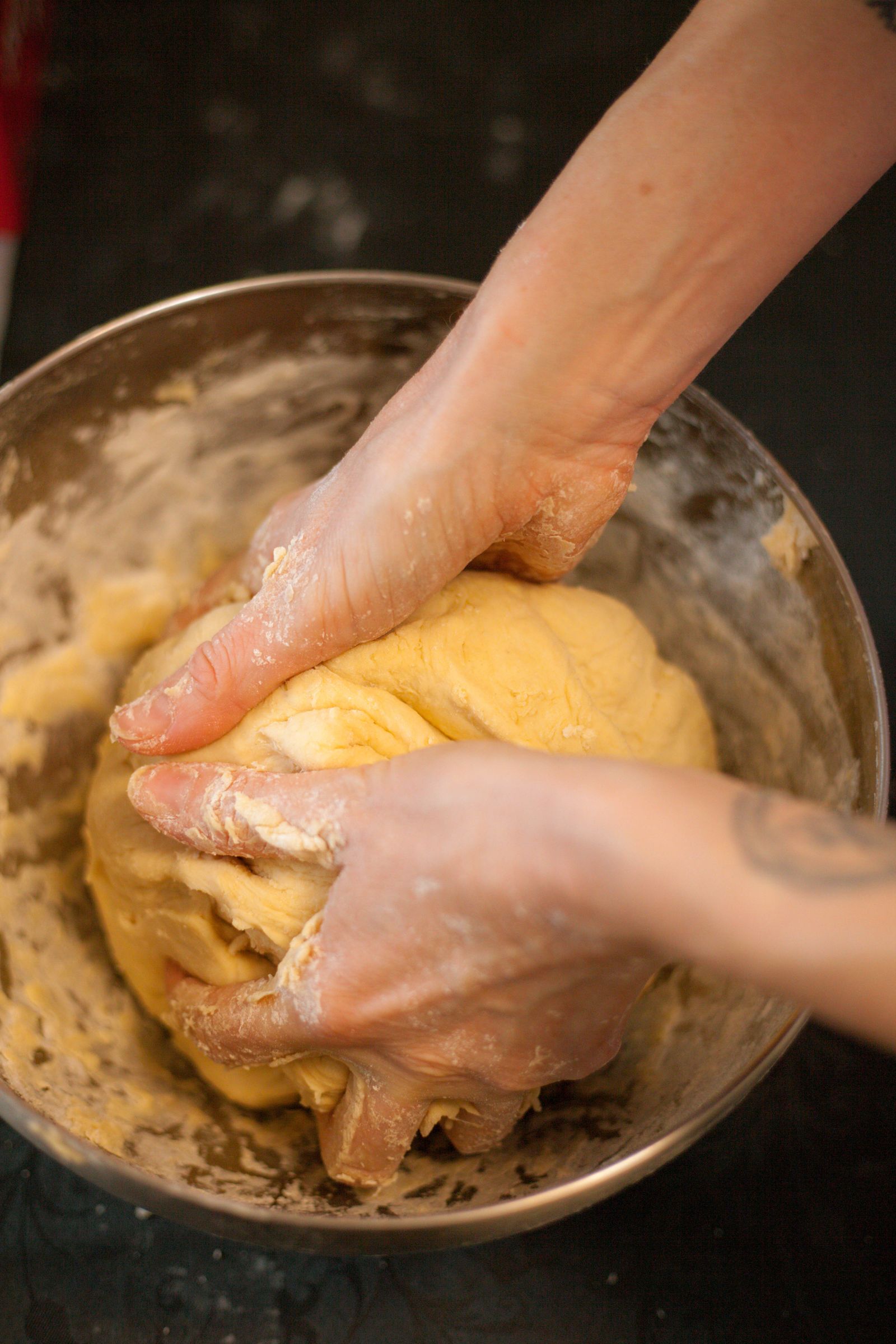
Three questions to ask before you buy
Is it replacing a fight they’ve already had? Bakers complain about specific objects, usually in passing: the tin that sticks, the scale that drifts, the rack that only holds one tray. A gift aimed at one of those complaints gets used the same week.
Will it still be here in ten years? A piping bag splits, a non-stick tin gives up in three, a cast iron pot outlives the person who bought it. When two gifts cost the same, buy the one with a longer life.
Is it a different hobby? Decorating, bread and pastry overlap less than gift guides pretend. A sourdough person with a bench scraper and no piping tips is not waiting for piping tips. Find out which three things they actually bake before you buy anything with a nozzle.
The counter
This is the least photogenic quarter of baking and the one that decides whether the recipe repeats.
1. A scale that reads to a tenth of a gram— Best for anyone still measuring flour in cups
A cup of flour varies by twenty percent depending on how it was scooped, which is why the same recipe works in August and fails in January. A scale that reads to 0.1 g makes the numbers mean something, and the decimal matters more than people expect: salt, yeast and instant espresso all sit in ranges where one gram is a real difference. Get one with a pull-out display so a dinner plate doesn't hide the readout.
2. A stainless bench scraper— Best for the counter that is always dusted with flour
The scraper does three jobs that nothing else does well: lifting a sticky dough off the counter without tearing it, cutting a block of butter, and clearing the bench in four passes instead of a wet cloth and a bad mood. A rigid stainless blade with a straight edge and a rolled top is the version that survives being used as a dough cutter. The plastic ones flex and stop scraping after a year.
3. A silicone mat that replaces the parchment habit— Best for the person buying parchment in rolls twice a month
A mat with printed circles does two things at once: it stops the sticking that ruins the bottom of a cookie, and it gives a guide for piping rounds the same size without drawing on the paper first. It also survives being washed in the sink rather than thrown away, which is why it tends to survive longer than a roll of paper in a drawer. Get one that fits the tray exactly, since a mat that overhangs curls up in the oven.
4. A wire pastry blender— Best for anyone cutting butter into flour with two knives
Pie dough, scones and shortbread all depend on the butter staying cold and in visible pieces, and warm hands are the enemy. A pastry blender cuts the butter into the flour in about forty seconds without melting it, and it's the single tool that turns a dough that is sometimes tough into one that is reliably flaky. The wire version with a solid handle is easier to clean than the bladed ones and doesn't rust.
The ninety minutes you don’t control
Between mixing and baking there’s a stretch where the dough is doing something and the baker is just watching the clock. Most of the bad outcomes in home baking happen here.
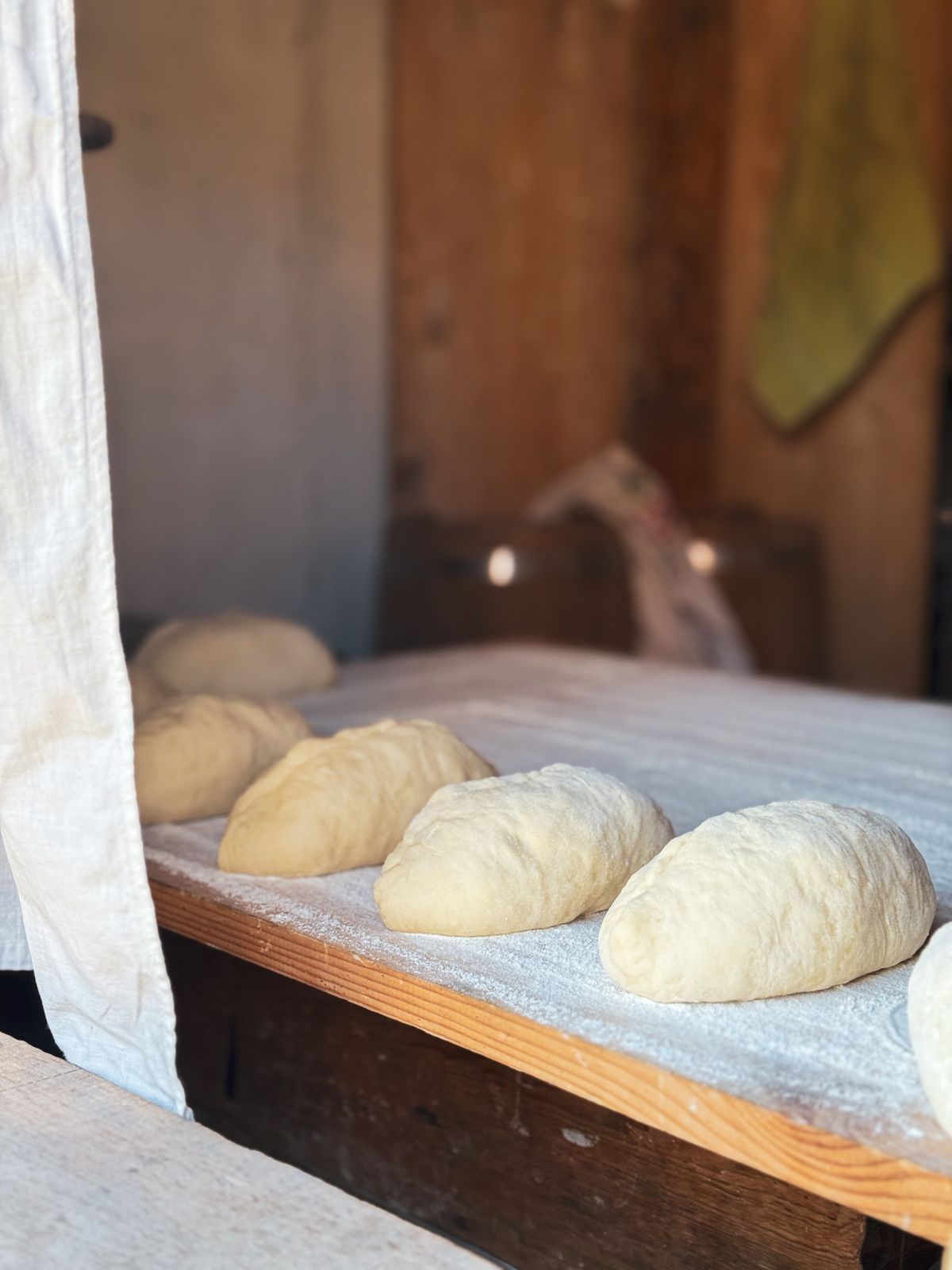
5. A proofing box instead of a bowl and a tea towel— Best for the kitchen that swings between 18 and 24 degrees
Dough rises on its own schedule, and a cold kitchen turns a two-hour proof into a four-hour wait that nobody planned for, which is how people end up baking at midnight. A box with a flat base and a lid holds temperature and humidity steady and stacks in the fridge when the bulk ferment needs to happen overnight. It also stops the dough from forming a skin, which is the reason a loaf ends up with a lid that won't open properly.
6. A lame that scores in one pass— Best for the loaf that spreads instead of rising
Scoring isn't decoration: a cut gives the expanding loaf a place to open, and a dull blade drags and deflates the dough on the way through. A lame with a curved blade and a handle long enough to keep fingers off the surface cuts in one clean motion at a shallow angle. It's also the cheapest upgrade that makes a home loaf look like it came from a bakery.
7. Bake-even strips for the cake that domes— Best for the layer cake that has to be trimmed flat every time
A cake sets from the outside in, so the edge is done while the middle is still rising, and the result is a dome that has to be sliced off and thrown away. A dampened strip wrapped around the tin slows the edge down and gives a level top, which means two layers instead of three and no trimming. It sounds fussy and it's the difference between a cake that stacks and one that slides.
The oven lies
Most home ovens are between ten and thirty degrees off, and the dial doesn’t tell you which direction. This is the section where guessing gets expensive.
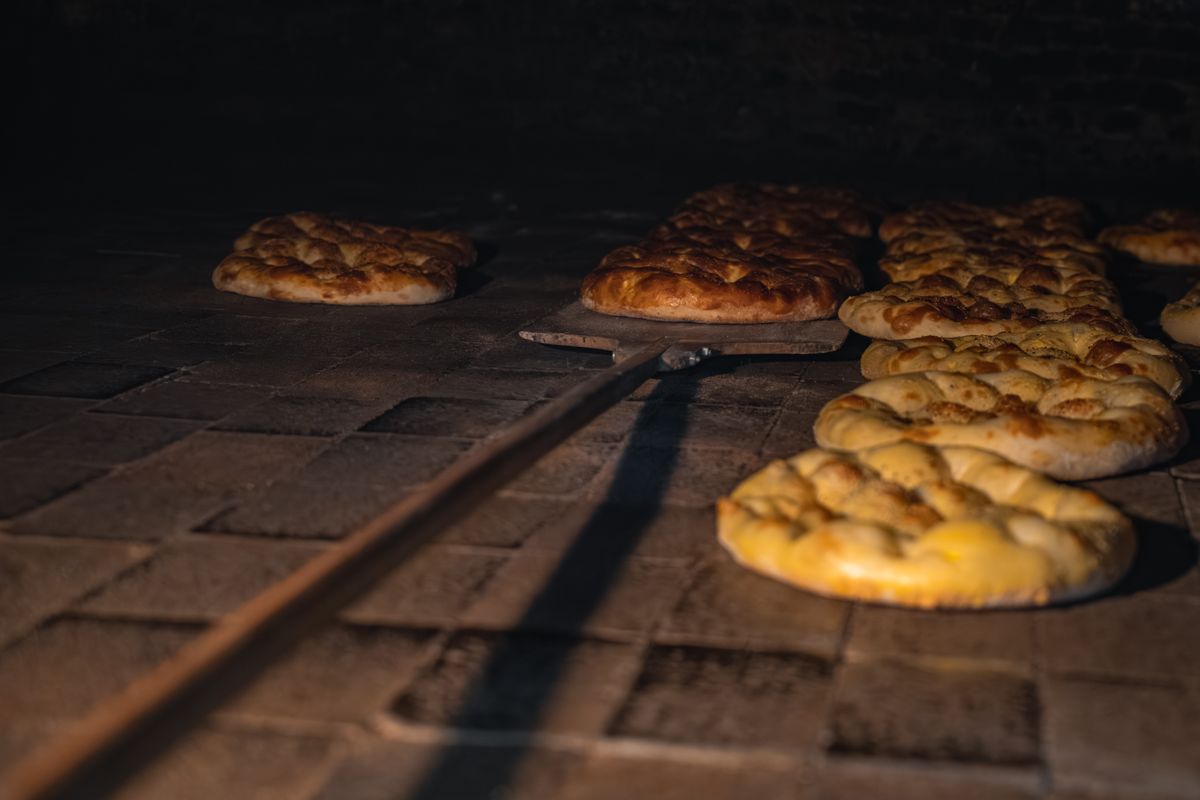
8. A cast iron bread oven— Best for the loaf that never gets the crust right
Steam is what makes a crust thin and blistered, and a domestic oven vents it straight out. A heavy cast iron pot with a lid traps the steam for the first half of the bake and then comes off for the colour, which is the whole trick behind bakery bread. It also holds heat through the door opening, so the temperature doesn't collapse when the loaf goes in. Buy the size that fits a batard, not the biggest one.
9. An instant read thermometer— Best for the bread that looks done and isn't
Colour is a bad indicator: a dark crust can hide a gummy centre, and pale bread can be fully baked. A thermometer takes the guesswork out of the last ten minutes, and the number that matters is about 200F internal for a lean loaf, a little higher for enriched dough. The same probe settles caramel, custard and the water for proofing, which is why it ends up used weekly rather than twice a year.
10. A muffin tin heavy enough not to buckle— Best for the tray with a dark, sticky coating and one bent cup
Cheap tins warp the first time they hit a hot oven empty, and once a cup is bent the liner tips and the batter runs under it. A heavier gauge tin with a rolled edge holds its shape and heats evenly, which is what stops muffins from forming a pale ring around the base. The light-coloured finish matters too: dark non-stick browns the outside before the middle is set.
After the timer
The ten minutes after baking are where good work gets undone: bread steams itself soft in the tin, and cake gets decorated on a turntable that wobbles.
11. A cooling rack with proper clearance— Best for the loaf that comes out with a wet bottom
Bread left in a tin keeps steaming, and the crust that took an hour to build turns soft in fifteen minutes. A rack with inch-high feet gets air underneath the whole base, and a wire grid fine enough that a muffin doesn't drop through. Buy two if there's space, because one rack means baking in sequence instead of in one go.
12. A turntable that turns without a wobble— Best for the person icing a cake on a dinner plate
Frosting a cake on a plate means circling the plate with a spatula at an awkward angle, which is why the sides end up uneven and the top ends up with a thumbprint. A weighted turntable spins smoothly under one hand and lets the spatula stay at one angle, and a non-slip top means the cake doesn't slide while it's being turned. It's the item people borrow and then refuse to give back.
13. Piping tips in the four shapes that get used— Best for the beginner who bought a forty-piece set and uses two
Most tip sets are twenty nozzles and one that fits the hand. A small set with a round, a star, a petal and a plain wide tip covers writing, rosettes, borders and filling, and the rest is noise. Stainless holds an edge; the coated ones lose their shape after a few dozen uses and start producing ragged edges instead of clean ones.
What I would skip
Bread machines. They make a loaf that tastes like a loaf-shaped object, and anyone who has asked for one usually wants the ritual more than the bread.
Anything with a recipe printed on it. Aprons, tea towels and mugs with a cake recipe are a nice idea that nobody follows while their hands are covered in flour.
Gift boxes of extracts and sprinkles. They expire quietly in a cupboard and the person who bakes already has vanilla.
A stand mixer, unless they’ve named it. It’s the most expensive thing in the room and the most personal: bowl lift or tilt head, and the wrong one is a permanent annoyance. Ask first, or don’t.
The editor’s pick
If you want one thing that changes the most batches, buy the scale. It’s not a nice object and it won’t get photographed, but every other item on this page assumes the recipe is being followed accurately, and a scale is the only way that happens twice. Bakers who weigh their ingredients stop having mysterious failures, which is a strange thing to give someone and a genuinely good one.
FAQ
What’s a good gift for someone who’s just started baking?
A scale and a bench scraper, in that order. Both are cheap, both remove a beginner’s most common failure, and neither assumes a skill level. Add a silicone mat if you want a third, because it saves parchment and stops the bottom of a cookie from burning while the middle is still raw.
Is a stand mixer a good gift for a baker?
Only if they’ve told you which one. Bowl-lift and tilt-head models handle dough differently, and the attachment ecosystem locks people in for years. If you’re not certain, a cast iron bread oven or a good scale gives more value per dollar and doesn’t require a conversation about the counter space.
How much should you spend on a gift for a baker?
Twenty to forty dollars covers the tools that get used every week: scale, scraper, mat, lame, cooling rack. Fifty to a hundred is where the cast iron pot and the turntable live, both of which last decades. Above that, you’re buying counter space, so ask before you spend it.