Pickleball has an odd equipment problem. The paddle is the only thing players research for weeks, and it’s the only thing that doesn’t wear out.
Balls crack at the seam. An overgrip goes slick in about six weeks of twice-a-week play. The edge guard peels the first time someone digs a low ball off the court. Meanwhile the average gift list for this sport is a wall of paddles, which is the one object the player has already weighed, tested and argued about in a group chat.
So this list stays out of that decision, with a single exception at the end for someone who owns nothing yet. Everything else is the layer underneath: what runs out, what gets left in the trunk, and what decides whether a Tuesday game happens at all. Prices start around the cost of a dozen balls, because that’s where the real value sits.
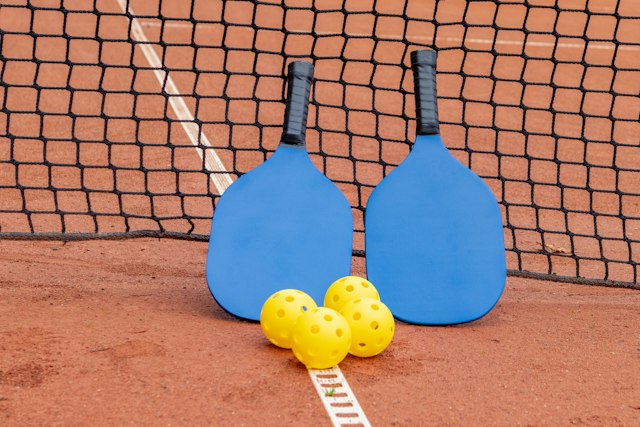
The paddle is the only decision they’ve made
Ask what surface they play on before buying anything. Indoor play uses a lighter ball with fewer, larger holes; outdoor play uses the hard 40-hole ball, and the two are not interchangeable in a bag. Getting this wrong is the most common way a well-meant gift ends up unused.
Then ask who they play with. A regular foursome has a court and a net. A person who plays wherever there’s space does not, and that changes the list entirely.
Skip the paddle. Weight, grip circumference and face material all change the feel, and players are picky about all three. A gifted paddle is a paddle someone has to pretend to like. The gear around it has no such problem: balls, grips, tape and bags are consumables, and nobody has ever been emotionally attached to an overgrip.
Best budget range for this sport: $15 to $40. That covers the items that run out, which are the items that get used.
What dies first
Three things in a pickleball bag have a lifespan measured in weeks. All three cost less than lunch, and all three get put off, because replacing them is boring and the old ones still sort of work.
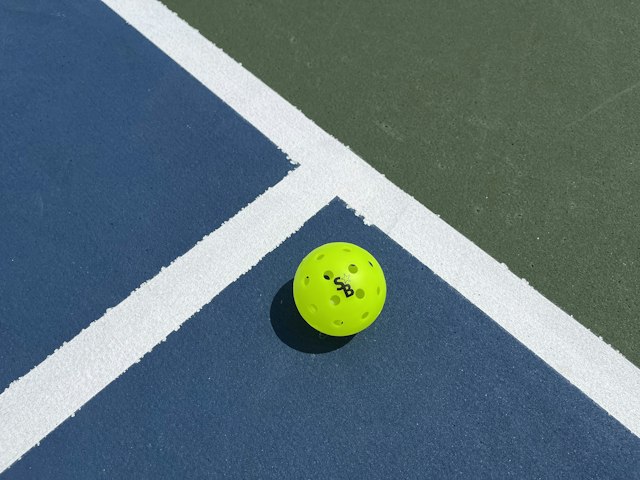
1. A 40-pack of outdoor balls— Best for the foursome that starts every game asking who has a good ball
Outdoor balls are the hard 40-hole ones, and they don't die of old age. They crack at the seam after a few weeks of real play, and a group that plays twice a week goes through a dozen a month. A 40-pack ends the pre-game search, and it's the rare gift that gets used on the first night.
2. Perforated overgrip tape— Best for a grip that has gone shiny and a player who is squeezing harder
Factory grips turn slick in about six weeks, and a slick grip makes people squeeze, which is where elbow pain starts. Overgrip wraps on top in two minutes and gets replaced without touching the original. Buy the thin perforated kind. The thick cushioned rolls change the handle size enough to feel like a different paddle.
3. Edge guard tape— Best for anyone who digs low balls and scrapes the paddle edge doing it
The first time a paddle scrapes the court, the edge takes the damage. Tape is a consumable strip that absorbs it, and a roll costs less than a coffee. It also quiets the clack that carries across six courts when a paddle hits the ground. Colored rolls are the small vanity purchase most players won't make for themselves.
If you only buy one thing
Make it the balls. It’s the least surprising item on this page and the only one that improves every game from the first night. A player with fresh balls plays better pickleball. A player with dead ones spends the evening apologizing for a bounce that went sideways, and nobody has fun in that game, including the person who gifted the paddle.
What dies quietly
This is the damage that doesn’t announce itself. A filmed paddle face, a scratched edge, a grip that is technically intact. None of it stops a game. All of it makes the game slightly worse, which is exactly the kind of decline people adapt to instead of fixing.
4. A paddle eraser— Best for the gray film on the face that nobody notices until shots start sliding
Ball residue and court dust build a film on the paddle face, and that film is why a shot stops biting. An eraser lifts it in a few passes with no solvent, which matters because most cleaners can void a paddle warranty. Cheap, tiny, and almost nobody owns one, so it reads as insider knowledge rather than filler.
5. Lead tape for tuning the head— Best for the player who wants more plow-through without buying a new paddle
A few grams at the head moves the sweet spot up and adds weight behind a drive, and it's the cheapest way to change how a paddle plays. Add it in small strips, hit for twenty minutes, then decide. Check the league rules first, since weighted setups can fall outside what some local groups allow.
6. A neoprene paddle cover— Best for a paddle that shares a bag with keys and a water bottle
A paddle rattling around loose collects face scratches, and a scratched face is a shortened life on the most expensive thing they own. A cover keeps it separate, and the ones with a hanging loop clip to the outside of a backpack so the paddle doesn't get buried. Small gift, quietly protects a $150 object.
What gets left in the trunk
Pickleball is a sport people play on the way home from somewhere else, which means the kit lives in a car. These three are about the bag, not the court.
7. A dedicated backpack with a shoe compartment— Best for the person carrying a paddle loose under one arm
The bag is what turns a paddle into a habit. A proper pack holds two paddles, a sleeve of balls, shoes, a towel and a bottle, and it hangs on a fence hook instead of being dumped in the dirt. Get one with a separate shoe compartment. A wet court shoe in the main pocket ruins everything else in there.
8. A small microfiber towel— Best for sweaty hands on a slick grip, which is how paddles leave hands
A towel clipped to the net post solves the grip problem and doubles as the thing people wipe grit off the ball with between points. Get a dark color. The white ones look like a crime scene by the second week, and a towel that looks disgusting gets left at home. Around $15 buys a pack, so one can live in the bag.
9. A slider scorekeeper bracelet— Best for the group that loses track of the score every third point
Rec players forget the score, and the argument that follows is the least enjoyable part of a Tuesday night. A slider bracelet keeps server number and score on the wrist, so anyone can check without asking. It's a silly little object that removes real friction, especially in mixed groups where nobody wants the job.
What decides where they can play
Two purchases change the logistics rather than the skill: one makes a court appear where there wasn’t one, the other keeps the body on the court.
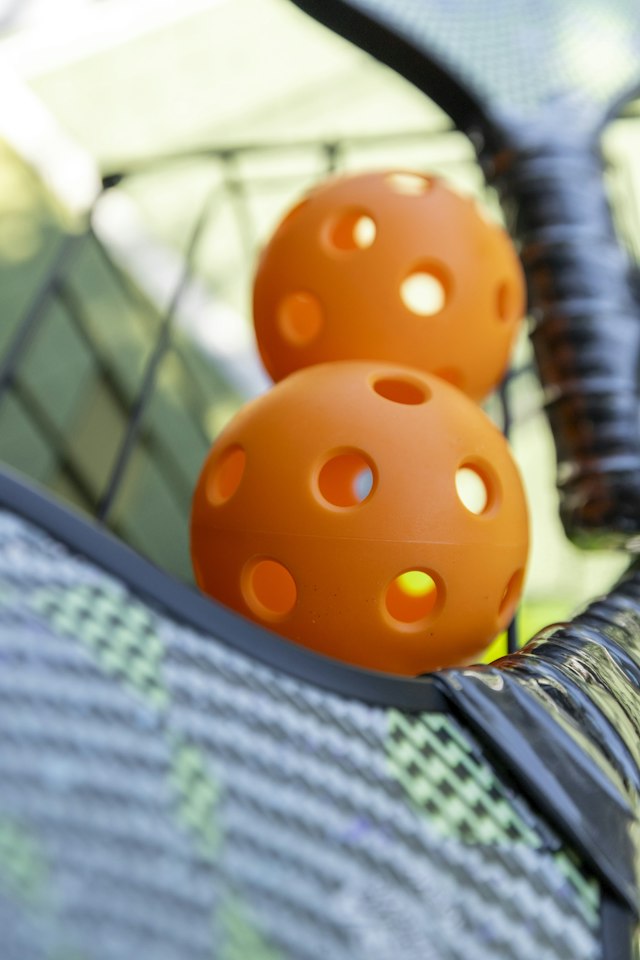
10. A portable net that sets up in five minutes— Best for a driveway, a cul-de-sac, a gym with no lines
A net is the difference between playing when a court is free and playing when they want to. The decent ones tension from a strap and hold the middle at 34 inches, which is the height the game actually needs. Get one with a wheeled bag. A net that's miserable to carry stays in the garage after two outings.
11. Actual court shoes— Best for anyone playing in running shoes
Running shoes have a tall soft stack and almost no lateral support, which is the wrong shape for a sport built on side-to-side lunges. Court shoes sit lower and stiffen the sides. If they've been playing in trainers, this is the gift that prevents the ankle injury their whole group has already witnessed once.
The two boxes over $50
Both are legitimate gifts, and both need a straight answer about who they’re for.
12. A two-paddle graphite set— Best for the household where one person plays and the other is curious
A two-paddle graphite set with a bag gets a second player on the court in one purchase, which is the real bottleneck for most beginners. It's also the answer for someone who has been borrowing a club paddle for a year. Skipping the $200 paddle at this stage is fine; the set is about getting a partner to show up.
13. A weighted training paddle— Best for someone already playing three times a week
It's heavier than a game paddle, so warm-up swings with it make the real one feel light and fast in the hand. Ten minutes before a session is enough. Only buy it for a regular player. For everyone else it's a curious object that ends up in the bag and never comes out, which is worse than a boring gift.
What I would skip
The $180 paddle with initials burned into the handle. Paddle choice is personal, and a gifted paddle is a paddle someone has to pretend to like for two years.
Same for anything marketed as a “pickleball training aid” that isn’t a heavier paddle. The wrist straps, the swing trainers and the alignment gadgets all assume a problem most recreational players don’t have, which is a shortage of practice, not a shortage of equipment.
FAQ
Do indoor and outdoor pickleballs really differ?
Yes, and more than most people expect. Indoor balls are lighter with fewer, larger holes so they bounce predictably off a hard floor. Outdoor balls are heavier with 40 small holes to fight wind. Bring the wrong one outside and the game turns into a chase.
How often should overgrip be replaced?
Twice-a-week players usually notice slickness at around six to eight weeks, sooner in summer or if they sweat heavily. The tell is squeezing harder to keep the paddle from turning. Overgrip is cheap enough that replacing it before that point is the better habit.
What’s a good pickleball gift under $25?
A 40-pack of balls, a roll of perforated overgrip, or a paddle eraser. All three get used within a week, none require knowing the player’s paddle preferences, and none will be quietly regifted. That combination is rarer than it sounds in gift shopping.