The last retirement party I went to ended with a clock. Brass, engraved, presented by a manager who had known the guy for eleven months. He said thank you twice, put it in the trunk of his car, and drove home to a house he’d spent thirty-four years leaving every morning.
Six weeks later he told me the clock was still in the trunk. Not out of ingratitude. He just didn’t have a shelf for it, and he’d started the year with a rule: nothing comes into the house unless something leaves.
That’s the trap with retirement gifts. The person is retiring from something, and the thing they’re retiring from came with a desk, a filing cabinet, and a drawer of pens. The last thing they need is another object with no job.
So this list runs on a different test than most. Every gift below either gets used up, replaces something they’ve been putting up with since 2009, or buys them an afternoon they wouldn’t have booked themselves.

The test I use now
Three questions, in order. Does it get consumed? Does it replace something broken? Does it give them time?
If the answer is no to all three, it’s a display object, and display objects are what their kids will be sorting through in a garage sale. That sounds harsh. It’s also the most common complaint I hear from people six months into retirement: everyone gave me things to dust.
Two practical notes before you buy. First, ask what they’re already planning. The newly retired are unusually specific about their next eighteen months, and they will tell you if you ask. Second, if you’re buying with a group, spend the pooled money on one thing instead of twenty small things. A $300 gift is a memory. Twenty $15 gifts are a storage problem.
Things that disappear
The safest category, and the one people underrate. Food and drink get used, enjoyed, and then stop taking up space. Nobody has ever regretted a good bottle of oil.
1. A good olive oil and vinegar pair— Best for someone who cooks but buys oil at the supermarket
The difference between supermarket oil and a fresh single-estate bottle is bigger than most people expect, and it's the kind of upgrade nobody makes for themselves. Get a pair, oil and vinegar, in dark glass. It'll be gone in two months, which is the point.
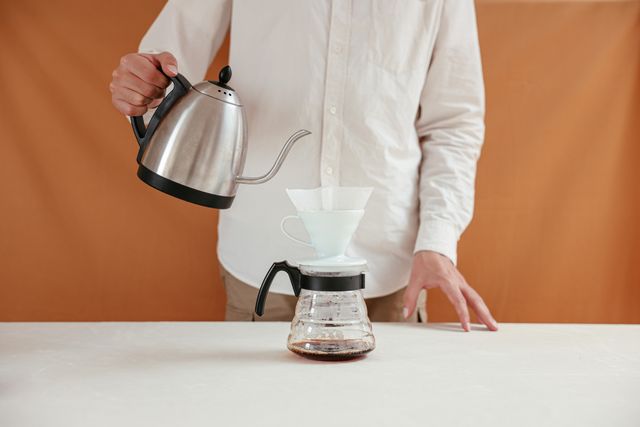
2. A three-month coffee subscription— Best for the person whose retirement plan involves a slower morning
A bag of coffee arrives, gets opened, and forces a small ritual: grinding, waiting, sitting down. Three months of that is a habit, not a gift. Pick whole bean and a roast they already like, because a surprise dark roast is not a gift to a medium-roast person.
3. A spice set from one region— Best for anyone who has been cooking the same six dinners for a decade
Retirement is when people finally have time to cook properly, and the fastest route out of a rut is a flavor they don't have a shortcut for. A set built around one cuisine, with a card explaining what goes with what, beats a 30-jar rack that includes three kinds of parsley.
4. A bottle worth not opening on a Tuesday— Best for the colleague everyone knows has a cabinet
If you know their drink, buy one level above what they buy themselves. If you don't, don't guess at whiskey. A bottle of wine from a region they mentioned once will do more than a decanter they'll never unbox. Wrap it with a note about when to open it.
5. A seafood or steak box, shipped— Best for the household that suddenly has weeknights free
This is the gift that gets cooked on a Wednesday in February, when the novelty of free time has worn off and dinner is the event of the day. Order it to arrive after the party, not before, so it isn't competing with leftover cake for freezer space.
6. A tin of loose-leaf tea and a simple strainer— Best for the person who drinks tea from a bag and doesn't know what they're missing
Loose leaf is cheaper per cup, tastes like something, and takes ninety seconds longer, which is exactly the kind of ninety seconds a retired person has. A tin plus a basket strainer is a complete setup. Skip the novelty infuser shaped like a submarine.
Replacements for the stuff they’ve been putting up with
Every long career has a set of objects that should have been replaced a decade ago. This is where a gift stops being decorative and starts being useful, because you’re not adding to the house, you’re upgrading something already in it.
7. A chef's knife that holds an edge— Best for the kitchen where the same dull knife has done everything since 2008
Most people cook with a knife that's been sharpened twice and never honed, then blame themselves for bad knife skills. A single good eight-inch chef's knife fixes more dinners than any appliance. Pair it with a honing rod and skip the block set.
8. A reading lamp with a warm bulb— Best for the chair where they read and squint
Over sixty, the pupil narrows and everything needs more light, which is why so many people quietly stop reading in the evening. A floor lamp with an adjustable arm and a 2700K bulb puts light on the page instead of the ceiling. Buy the bulb too, or it arrives with a 5000K one.
9. Slippers with an actual sole— Best for someone who has been wearing the same pair for eleven winters
Retirement means a lot more time on your feet at home, and thin-soled slippers are brutal on knees by the end of a day. A pair with a rubber outsole and a cork or wool footbed can be worn to the mailbox without a wardrobe change. Get the size right; this is a gift people keep for years.
10. A wallet that isn't held together with a rubber band— Best for the one with the corner worn through
There is always a wallet in this condition, and it never gets replaced because it still closes. Leather, thin, six card slots, no coin pouch. Put a note in the bill compartment; the first thing they'll do is open it to check.
11. A watch they'll actually wear— Best for someone whose retirement watch is a service award in a box
Service awards are engraved with a date and a company logo, so they stay in the box. A plain field watch with a leather strap is the opposite: light, no branding, readable without glasses. It also quietly answers the question of what time it is when every day looks the same.
Gifts that buy a Tuesday
This category costs more than a candle and gets remembered for years, because it hands over an afternoon instead of an object. Pair each one with a plan, or it’ll sit unused next to the clock.

12. A botanical garden or museum membership— Best for the person who needs a reason to leave the house on a Wednesday
A membership is a standing invitation, and that's the hard part of early retirement: no one tells you where to be. Botanical gardens are the better bet for most people because they change with the season, which means a reason to go back in April. Check whether it includes a guest, so they can take a grandkid.
13. An annual state park pass— Best for someone who says they'll hike more and hasn't yet
Twelve dollars at a gate is exactly enough friction to keep someone home. A pass removes it for a whole year and covers every park in the state, which turns a two-hour drive into a decision instead of a budget line. Buy the pass for their state, not yours.
14. A hammock built for two trees and one person— Best for a backyard with two trees and no furniture under them
This is the single most literal retirement gift on the list, and it works because the first month of retirement is disorienting and a hammock gives the afternoon a shape. Get a fabric one with tree straps, not a rope net, and check the strap width so it doesn't girdle the bark.
15. A beginner's class in something they've mentioned— Best for the hobby they've been talking about for years
Pottery, woodworking, fly tying, watercolor. The gift isn't the skill, it's the standing appointment and the room full of strangers who are also bad at it. Book a four-week course rather than a single workshop, and check the schedule isn't on a day they already guard.
16. A bird feeder with a camera— Best for the window where they already watch the birds
A camera feeder turns a passive habit into a small daily event, and the app gives them something to show people. It also solves the identification problem for anyone who's been calling everything a finch. Mount it where there's a branch nearby and set the app up for them before you leave.
17. A pair of binoculars that fit in a jacket pocket— Best for new birders and anyone who travels with a carry-on
Big binoculars stay in the closet because they're heavy and need a strap. Compact 8x32s go in a pocket and get used, which is the whole argument. Skip anything above 10x unless they have a tripod, because shake ruins the view more than magnification helps it.
If the whole office is chipping in
Pooled money changes the calculus. Instead of one more thing per person, you can buy one thing that’s genuinely out of reach, or one experience nobody would book alone.
18. A weekend away, booked and paid for— Best for the team that wants to give something they'll talk about
Collect the money, book two nights somewhere within driving distance, and hand over a printed confirmation rather than a gift card. Specific beats flexible here: a reservation for a date three months out is a plan, and a gift card is a task. Split the cost across the team and it's cheaper than the plaque.
19. A photo book of the years, made properly— Best for a long tenure and a team with old files
This is the one gift that gets looked at twice, and it's cheap if someone is willing to spend three evenings on it. Skip the auto-generated layout. Scan the bad office photos, include the terrible ones from 2004, and caption them. One line per page is enough.
20. A journal for the first year, with prompts— Best for the person who says they'll never be bored
The first year of retirement has a shape nobody warns you about: relief, restlessness, then a slow recalibration. A journal with prompts about what they want the next decade to look like gives that year somewhere to go. Write the first entry yourself before you wrap it.
The editor’s pick
Buy the class, number fifteen. Everything else on this page solves a problem they already know about. A four-week course does something harder: it puts a recurring appointment in a calendar that just went blank, and it puts them in a room with people who aren’t colleagues for the first time in decades. That’s the part of retirement nobody plans for, and it’s the part a gift can actually fix.
If you only have thirty dollars and no time, get the olive oil. It will be used, it will be enjoyed, and it will not end up in the trunk of a car.
FAQ
What’s a good retirement gift for a coworker you don’t know well? Something consumable, around thirty to fifty dollars, with a card that’s honest about the relationship. Good coffee, a bottle of wine, a box of pastries for the first Monday. Group gifts are the other safe route: a pooled contribution removes the pressure to guess at a personality you only see in meetings.
Is cash or a gift card acceptable for retirement? Yes, and it’s more common than people admit, especially when the retiree has a specific plan. The trick is to make it specific: a gift card to the garden center they actually use, or money earmarked for the trip they’ve been describing. A generic card reads as an absence of thought.
How much should a department spend on a retirement gift? Ten to twenty dollars per person is the usual range, which typically lands the group somewhere between one hundred and three hundred dollars. Spend it on one item or one experience rather than distributing it. And collect before the party, not after, because half the team will forget once the cake is gone.